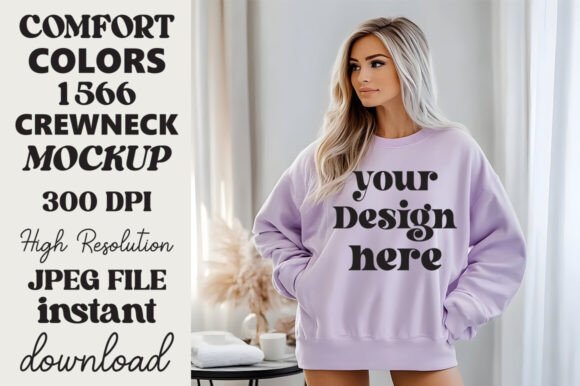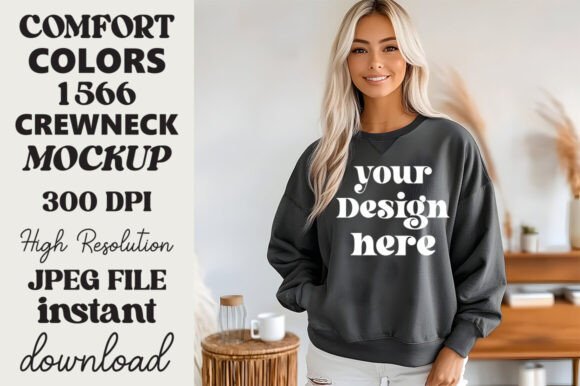
Comfort Colors 1566 Mockup Pepper 7 Review for Embroidery Projects
As an experienced designer and embroidery product reviewer, I always approach new designs with a critical eye—especially when they're going to be used in real-life projects. The Comfort Colors 1566 Mockup Pepper 7 caught my attention not just for its aesthetic appeal but also for how it translates into practical, stitch-ready design work. Whether you're creating custom apparel, personalized gifts, or digital product previews, this mockup has the potential to elevate your presentation. Let me walk you through my thoughts on how it fits into various embroidery scenarios and what to consider before using it.
A First Look at Comfort Colors 1566 Mockup Pepper 7
The first thing that stands out about Pepper 7 is its balanced layout and soft, bohemian vibe. It’s clearly intended for casual wear like crewneck sweatshirts and tote bags, but its adaptability makes it worth considering for other items too. The visual personality feels warm and inviting, which aligns well with handmade products and personalized gifts. The shape of the mockup complements the natural flow of the garment, giving the illusion that the embroidery sits comfortably where it should. This kind of realism is essential when showing clients or customers what their finished product will look like.
What I appreciate most is how the detail level is consistent without being overwhelming. It doesn’t try to do too much, which means it won’t get lost in complex stitching patterns or fabric textures. The theme suggests a laid-back lifestyle, making it ideal for boutique branding, small shop products, and even holiday gifts with a minimalist twist.
Best Use Scenarios
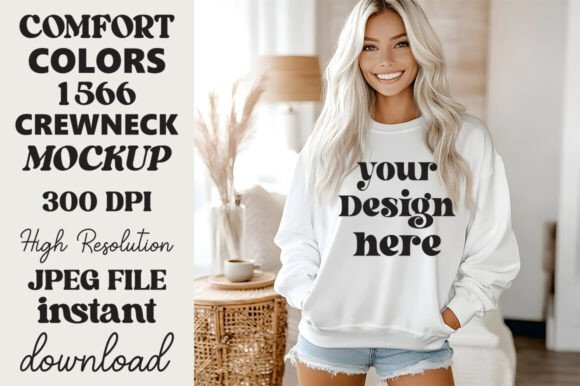
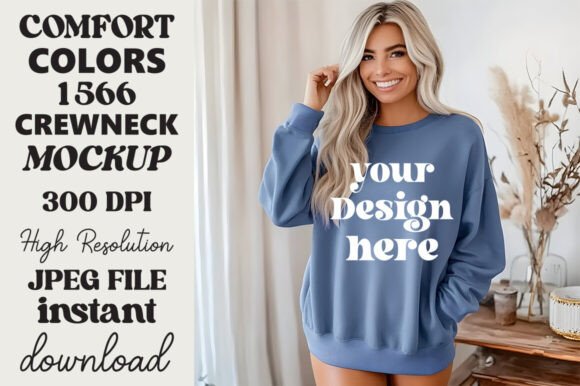
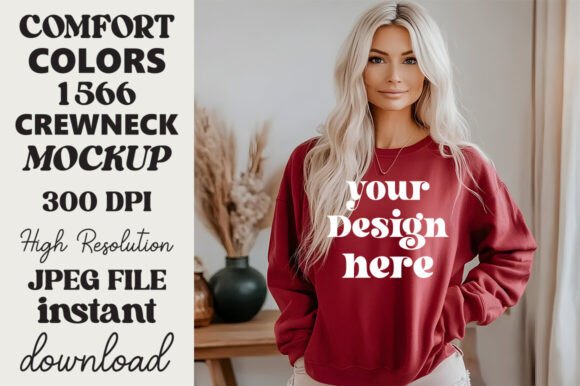
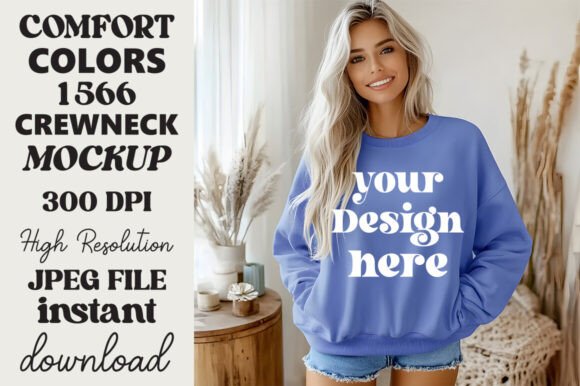
- Sweatshirt Embroidery: The C1566 Boho Crewneck Sweatshirt Mock provides a realistic canvas for showcasing how the design would appear after stitching. The placement and scale are just right for a chest or back graphic.
- Tote Bag Design: If you’re planning to add this motif to a tote, the mockup helps visualize how it’ll integrate with the bag's structure and any additional text or logos.
- Baby Embroidery: The gentle colors and clean lines could easily be adapted for baby clothes or nursery decor with subtle tweaks to thread color and stitch density.
- Holiday Gifts: With some creative adjustments, Pepper 7 can become a festive design element—perfect for adding seasonal charm to sweaters or aprons.
- Digital Product Previews: As a graphics file, it offers excellent resolution and layering options for printable mockups, helping Etsy sellers and craft business owners present their embroidered goods professionally online.
Real-World Application: How It Stands Up in Stitch
Embroidery isn't just about how a design looks on screen; it's about how it holds up after running through the machine. In testing Comfort Colors 1566 Mockup Pepper 7, I found it to be a reliable choice for many common embroidery projects. Its simplicity allows for clear stitch clarity across different styles—whether you're using satin stitch for outlines or fill stitch for larger areas.
For custom apparel like hoodies or t-shirts, the design reads well in both light and dark fabric backgrounds. Just make sure to test thread color contrast if you're working with darker materials. On tote bags, especially those made from cotton or canvas, the design maintains its integrity and doesn’t distort during hooping or stitching.
When applied to handmade products such as pillow covers or tea towels, Pepper 7 adds a touch of personality without overcomplicating the piece. It works particularly well with applique design techniques, where the layers give depth and texture. For commercial embroidery, the design feels professional enough to represent a brand while still keeping that artisanal feel that many small businesses aim for.
Where to Be Careful
While Pepper 7 is versatile, there are a few situations where it might need extra attention:
- Small Hoop Sizes: Some elements of the design may be too large or detailed for smaller embroidery hoops. Always confirm the required hoop size before finalizing your project.
- Textured Fabrics: On denim, corduroy, or flannel, the design might require adjustments to stitch density and stabilizer use to avoid puckering or distortion.
- Thin or Stretchy Fabric: Delicate materials like jersey knits or lightweight cotton can cause the design to shift slightly during stitching. A firm backing stabilizer is recommended here.
- Dark Fabric Backgrounds: Thread visibility can decrease on black or navy bases. Consider switching to white or cream threads if you want the design to pop.
- Curved Surfaces: When adapting the design for caps or curved surfaces, you'll need to adjust the positioning carefully to maintain symmetry and readability.
- Frequent Washing: If the item is expected to endure regular laundering, like baby clothes or kitchen towels, ensure that the design uses durable thread and proper underlay stitches to prevent fraying.
Visual Appeal and Professional Presentation
One of the key factors in successful embroidery is how the design enhances the visual appeal of the finished product. Pepper 7 brings a sense of calm sophistication that works across a range of demographics—from young adults looking for trendy sweaters to parents seeking meaningful personalized gifts. Its organic style gives off a “handmade but polished” vibe, which is perfect for craft fair products or boutique items aimed at conscious consumers.
From a business perspective, using this design can increase product value and customer trust. A well-executed mockup shows attention to detail and professionalism, which is especially important for Etsy sellers and digital embroidery file providers. The design’s consistent proportions and realistic shadow effects help buyers envision the end result more clearly, boosting buyer engagement and reducing return rates due to unmet expectations.
Design Notes for Embroidery Artists
Before committing to a full run of embroidered patches, tote bags, or sweatshirts featuring Pepper 7, take these steps to ensure optimal results:
- Test on Scrap Fabric: Always stitch a sample to see how the design behaves with your specific machine settings and thread choices.
- Check Thread Color Contrast: Especially important for dark fabrics—some thread colors may fade or blend in unexpectedly.
- Review Stitch Density: Make sure the design isn’t too tight on delicate materials, or too loose on thicker ones. Adjust as needed for best results.
- Confirm Hoop Size: While the design seems to fit standard sizes, double-check the manufacturer’s recommendations for your specific embroidery machine.
- Inspect Small Details: Pepper 7 includes intricate parts that might not show up well on very small scales. Zoom in and verify each component’s legibility.
- Use Proper Stabilizer: Depending on the fabric, you may need tear-away, cut-away, or wash-away stabilizers to keep the design crisp and flat.
- Test in Black and White: Even if you plan to use color, seeing how the design performs in grayscale can reveal hidden details or balance issues.
- Compare Light and Dark Backgrounds: Use the mockup tools to preview the design on both ends of the spectrum—this helps with thread selection and overall impact.
- Confirm Licensing Before Selling: If you're planning to sell finished products or offer design assets for download, make sure the licensing terms allow for commercial use.
Final Thoughts for Creative Entrepreneurs
In the world of machine embroidery design, finding a mockup that feels authentic and adaptable is rare. Comfort Colors 1566 Mockup Pepper 7 does just that. It’s not flashy, but it’s thoughtful—a design that knows when to stand out and when to sit quietly behind quality craftsmanship.
If you're working on a sweatshirt embroidery project or trying to build a cohesive line of small shop product mockups, this is one worth considering. Just remember, no matter how good the digital preview looks, every material, machine, and customer expectation is different. Treat it like any other embroidery project: test, tweak, and trust your instincts.
With the right care and preparation, Pepper 7 can become a staple in your craft business’s portfolio—offering a unique blend of style and functionality that appeals to both artisans and their customers.