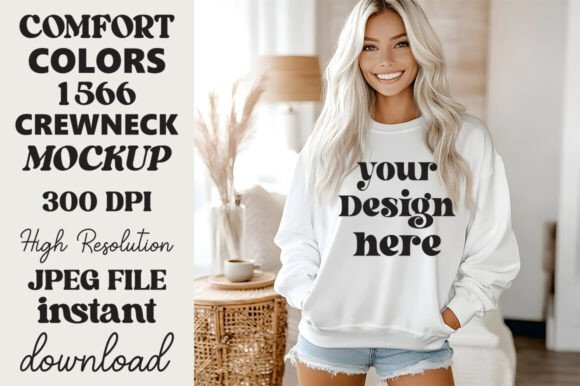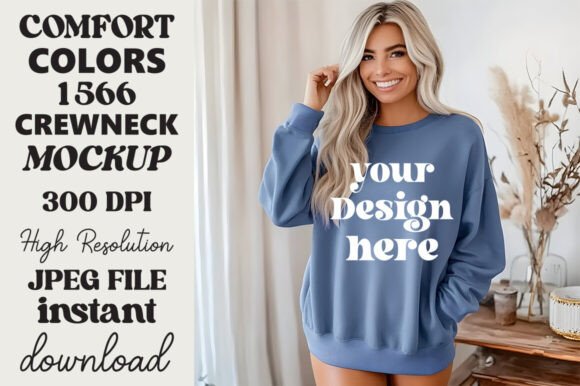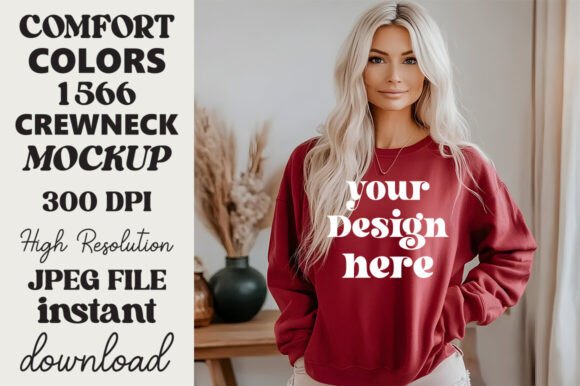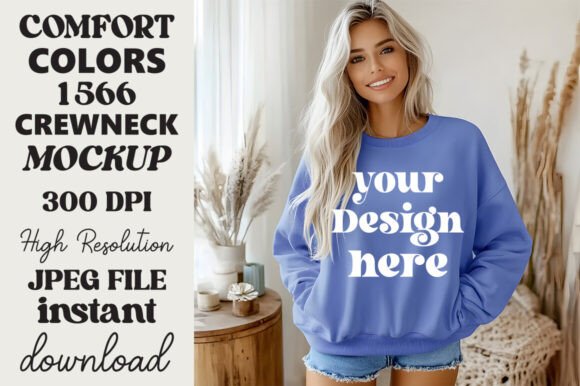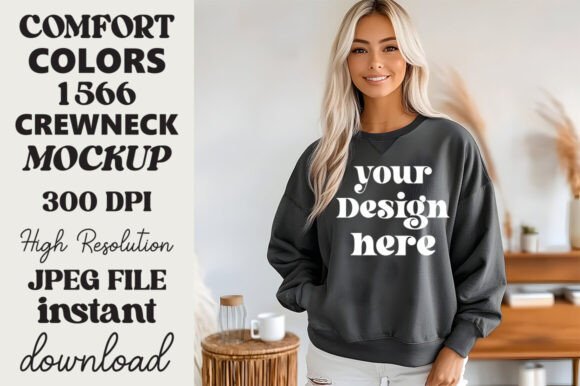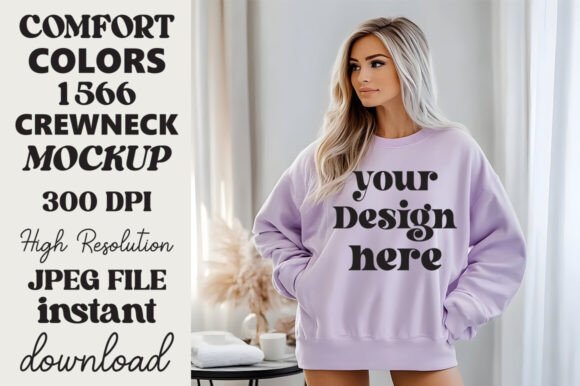
Comfort Colors 1566 Mockup Orchid 9 Review for Embroidery Projects
Real-World Performance Across Embroidery Projects
Comfort Colors 1566 Mockup Orchid 9 performs admirably when applied to common embroidery projects. Its structure is mostly made up of satin stitches and some fill stitches, giving it a clean and polished look when properly executed. On cotton blends and knits, the design holds its shape well, especially when using the correct stabilizer and adjusting stitch density according to fabric weight.
- Sweatshirts and T-Shirts: This design works particularly well on sweatshirts, where the softer fabric allows the satin stitches to lay smoothly. For t-shirts, be cautious with stretchy materials and consider using a tear-away stabilizer underneath.
- Tote Bags: A great candidate for tote bag embroidery due to its manageable size and non-intrusive layout. The floral theme adds a nice touch of personality to everyday carry items.
- Baby Clothes & Nursery Decor: The delicate nature of Orchid 9 fits perfectly into baby-themed products. Just ensure the design doesn’t include small details that might become safety concerns after stitching.
- Patches and Caps: While possible, the design may need resizing and simplification for patches or curved surfaces like caps. Testing is key here to maintain clarity and proportion.
- Digital Embroidery File Use: If you’re an Etsy seller or digital product creator, the mockups included in the bundle provide a realistic preview of how the design will appear on garments. They help buyers visualize the final product before purchasing, increasing engagement and trust.
Where Caution Is Advised
- Small Hoop Sizes: Orchid 9 isn't suited for very tight hoop spaces. Resizing down can compromise stitch quality, especially around the edges of the petals.
- Textured or Stretchy Fabrics: These can distort the smooth flow of the design. Stick to medium-weight, stable fabrics unless you plan to adjust stitch settings accordingly.
- Thin or Dark Fabrics: The subtlety of the design may get lost on dark bases or see-through materials. Always test thread color contrast on similar fabric before committing.
- Layered Garments: When used on layered clothing like hoodies or denim jackets, the design might not stitch evenly across all layers. Consider reinforcing the inner areas with additional stabilizer.
- Curved Surfaces: While it's possible to adapt this design for curved surfaces (like hats), you’ll need to adjust the placement and possibly simplify the file to avoid puckering or distortion.
- Dense Stitch Areas: There are sections where the stitch density increases slightly. If you're working with a machine that struggles with high-density embroidery, these areas may require manual tweaking.
Impact on Product Value and Customer Perception
One of the things I appreciate most about Comfort Colors 1566 Mockup Orchid 9 is how it elevates the visual appeal of a finished product. Even on basic garments, the design brings a sense of care and intentionality that customers notice. In my experience, this kind of aesthetic can significantly boost the perceived value of handmade products and increase buyer engagement on platforms like Etsy.
- Handmade Presentation: The design’s softness aligns well with artisanal and boutique-style branding. It feels personal and crafted, rather than mass-produced.
- Giftability: Whether it's a holiday gift or a wedding keepsake, this design adds a refined touch that speaks to both practicality and beauty.
- Brand Consistency: For small shop owners looking to build a cohesive brand identity, Orchid 9 can serve as a recurring motif that ties together various products without becoming repetitive.
- Customer Trust: Using a professionally designed and tested embroidery file helps establish credibility. Buyers know they're getting something that looks good and stitches well.
Stitch Clarity and Professionalism
Embroidery clarity is essential, especially when selling embroidered goods. Orchid 9 maintains a decent level of detail without being overcomplicated. The petals and stem have a smooth edge definition, which means with the right settings, the result can look crisp and professional. However, I recommend always testing the design on scrap fabric before moving to production—especially if you're working with thin or stretchy materials.
If you're using this design for commercial embroidery projects, make sure to review the licensing terms included in the Comfort Colors 1566 Mockup Bundle. Many designers overlook this step, only to find out later their project infringes on usage rights. Licensing clarity is crucial for avoiding legal hiccups down the line.
Designer Tips for Getting the Most from Orchid 9
Here are some practical notes based on my experience working with similar files and using Orchid 9 in actual projects:
- Test First: Always run a trial stitch on scrap fabric before applying it to your final product. This helps catch any issues with thread tension or stitch distortion early.
- Check Thread Contrast: The design uses multiple thread colors. Ensure the colors you choose pop well against the fabric background—especially if you're printing mockups for online listings.
- Review Stitch Density: Some parts of the design might benefit from slight adjustments in density depending on the fabric type. Too loose and it loses definition; too tight and it risks damaging the material.
- Confirm Hoop Size: Since the exact hoop size isn't specified in the provided info, double-check your machine’s compatibility. You don’t want to discover during stitching that the design won’t fit your hoops.
- Inspect Small Details: Look closely at the corners and finer elements of the design. These can sometimes cause problems if not properly supported by stabilizer or if the fabric is too delicate.
- Use Black and White Mockups: The printable mockups in the bundle are a helpful tool for visualizing how the design will look in grayscale or on different-colored bases. This is especially useful for digital product sellers.
- Compare Light and Dark Backgrounds: Try the mockup on both light and dark fabric previews to understand its versatility and limitations.
- Use Proper Stabilizer: Especially important for stretchy or slippery fabrics. A cut-away stabilizer may be necessary for long-term durability, especially on items like sweaters or baby clothes.
- Confirm Licensing Before Selling: Make sure you understand whether the design can be used for commercial purposes or if you need to purchase a separate license for resale. This is critical for anyone involved in craft businesses or digital embroidery sales.