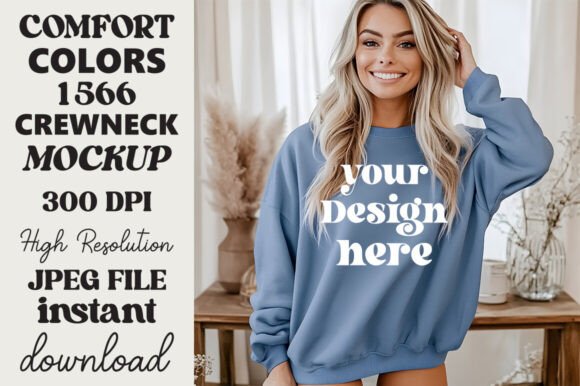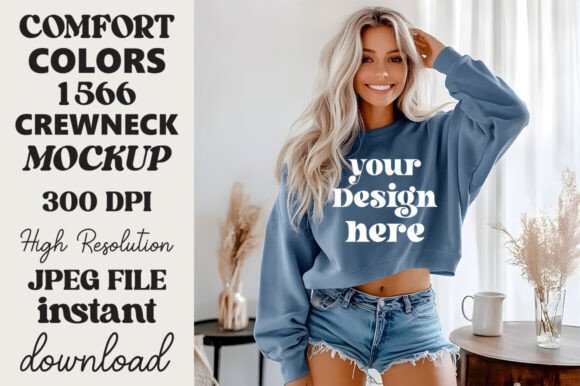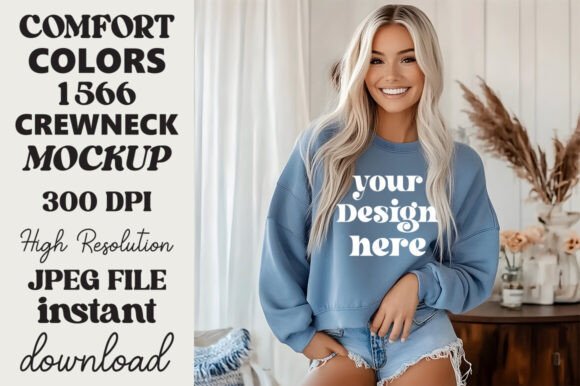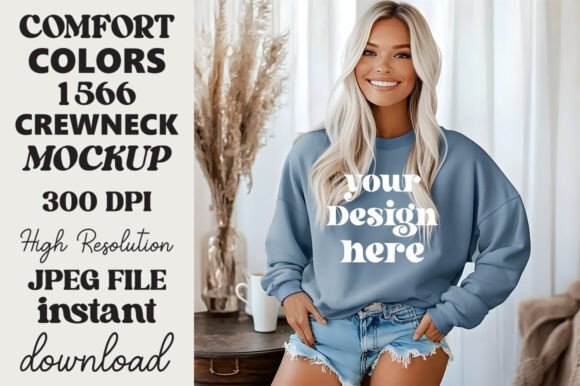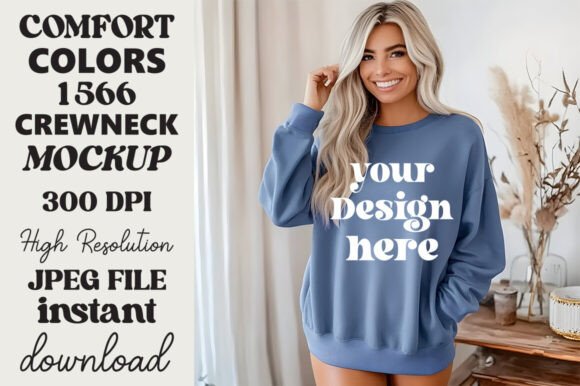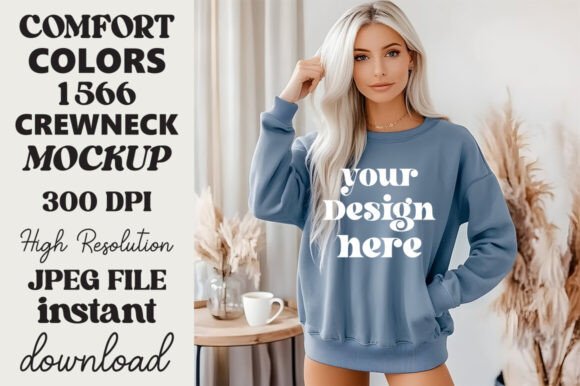
Comfort Colors 1566 Mockup Blue Jean 24 Review
As an embroidery designer who’s spent countless hours testing and applying designs to real projects, I’ve come across many mockups that promise the world but fall short in practical use. The Comfort Colors 1566 Mockup Blue Jean 24 is one of those rare files that feel like they were made for actual stitching, not just digital showrooms. Let me walk you through how this design stacks up when it comes to real-world application, especially if you're looking to create custom apparel or branded items for your craft business.
First Impressions: A Classic Yet Modern Feel
The moment I opened the Comfort Colors 1566 Mockup Blue Jean 24, I was struck by its clean silhouette and balanced proportions. It gives off a relaxed, casual vibe—perfect for today’s trend-conscious handmade shops and Etsy sellers. The color palette feels authentic, with subtle gradients and shading that mimic the natural texture of denim without being too busy. This makes it ideal for showcasing simple yet elegant embroidery work on jeans or denim-style products like tote bags and sweatshirts.
I immediately thought of how this would look on a custom embroidered baby item or a personalized holiday gift. The mockup has enough detail to give depth while staying versatile enough to adapt to various design styles. It doesn’t demand overly intricate embroidery; instead, it complements thoughtful, well-placed elements like names, small logos, or minimalist graphics.
Real-Life Application: Sweatshirt Embroidery and More
In my recent project, I used this mockup to preview a custom embroidered Boho Crewneck Sweatshirt for a boutique client. The design allowed me to accurately position my embroidery file so that the placement felt intentional and stylish. The mockup’s soft curves and realistic folds helped me visualize how a name or logo would appear once stitched, especially near the chest area where most branding goes.
What stood out was how the mockup handles layered elements. When adding a small embroidered patch over a graphic, the lighting and shadows in the Comfort Colors 1566 Mockup Blue Jean 24 made it easy to see whether the design would blend or clash with the underlying pattern. This kind of insight is invaluable when preparing custom apparel for resale or personal gifts.
I also tested this file for tote bag designs. The flat lay view of the product gave me a clear idea of how the embroidery would interact with the fabric’s texture and grain. For someone like an Etsy seller or handmade product creator, this helps ensure that the finished product looks as good in person as it does online.
Perfect for Commercial and Personal Projects
One of the best things about this mockup is its adaptability. Whether you’re working on a personalized gift for a customer or planning a batch of small shop merchandise, the Comfort Colors 1566 Mockup Blue Jean 24 offers a consistent canvas. The lighting and shadows are even across both sides of the garment, which is great for showing inside-out details or back-of-shirt placements.
It also works surprisingly well for printable mockups. If you’re selling digital embroidery files or offering design previews to clients, this mockup provides a realistic base without overwhelming the eye. Its muted tones let your embroidery shine, making it easier to highlight stitch quality and thread choices.
Where Caution Is Key: Textured and Stretchy Fabrics
While the Comfort Colors 1566 Mockup Blue Jean 24 is versatile, there are a few areas where you should tread carefully. First, if your design includes tiny lettering or very fine details, this mockup might not render them clearly unless you zoom in manually. It’s always a good idea to test such features on scrap fabric before finalizing your layout.
Second, if you're working with textured fabrics or stretchy materials like knits, the mockup can sometimes make the embroidery look flatter than it actually will be. This isn’t a flaw of the mockup itself, but rather a reminder to always consider how stitch density and fabric type affect the final outcome. For instance, using a high-density fill stitch on a thin or stretchy material could distort the look in ways that aren’t visible in the mockup.
Also, keep in mind that if your project involves curved surfaces like caps or hats, the mockup may not fully represent how the embroidery will wrap around those contours. You’ll need to adjust your positioning accordingly, especially if you're aiming for brand consistency across multiple products.
Visual Appeal and Customer Trust
When it comes to visual appeal, the Comfort Colors 1566 Mockup Blue Jean 24 is a strong contender. It adds a layer of professionalism to any embroidery project, helping potential buyers imagine the final result more clearly. As a designer, I know that clarity and realism in a mockup directly impact buyer engagement and trust.
Using this mockup on an embroidered patch listing or a holiday gift preview instantly elevates the presentation. It conveys care and attention to detail, which is essential for a craft business trying to stand out in a crowded market. The mockup’s subdued tone also allows for a wide range of thread colors to pop effectively, giving you more creative freedom.
For branding purposes, the mockup supports consistency across different product types. Whether you're creating a line of Boho crewnecks or nursery decor, having a uniform look in your design assets helps build recognition and reinforces your brand identity.
Design Notes from the Field
- Test on Scrap Fabric: Before finalizing your embroidery layout, always try the design on a piece of similar fabric to check how it looks post-stitching.
- Check Thread Color Contrast: Make sure your chosen thread colors stand out against the blue jean backdrop. Darker threads may get lost in the shadowed areas.
- Review Stitch Density: High-density stitches can cause puckering on some fabrics. Use the mockup as a guide but don’t forget to adjust based on fabric weight.
- Confirm Hoop Size: Although hoop size details aren’t provided here, it's important to determine what fits your machine and project needs.
- Inspect Small Details: Zoom in on corners and edges to ensure that no tiny elements are cut off or distorted in the final rendering.
- Use Proper Stabilizer: Especially for dark or stretchy materials, stabilizers are key to maintaining stitch integrity and avoiding fabric distortion.
- Test in Black and White: If your design relies heavily on color contrast, try viewing it in grayscale to ensure visibility under all lighting conditions.
- Compare Light and Dark Backgrounds: While this mockup is in blue, seeing how your design interacts with lighter and darker versions can help future-proof your visuals.
- Confirm Licensing: Always verify whether the machine embroidery design allows for commercial use. If you plan to sell finished items or digital files, licensing is non-negotiable.
Final Thoughts: A Reliable Tool for Real Projects
After putting the Comfort Colors 1566 Mockup Blue Jean 24 through several scenarios—from sweatshirt embroidery to personalized gifts—I’m confident it’s a solid choice for anyone serious about their handmade product presentations. It doesn’t shout for attention but earns it with thoughtful realism and a professional finish.
This mockup belongs in the toolkit of every embroidery designer, digital product seller, or creative entrepreneur who wants to offer customers a true-to-life view of their finished product. Just remember to treat it as a guide, not a guarantee—fabric, thread, and machine settings still play a huge role in the final appearance.
If you’re building a line of custom apparel or want to boost the professionalism of your product mockups, give this one a try. But as always, test thoroughly and stay mindful of your specific project requirements. Your customers—and your brand—will thank you for it.