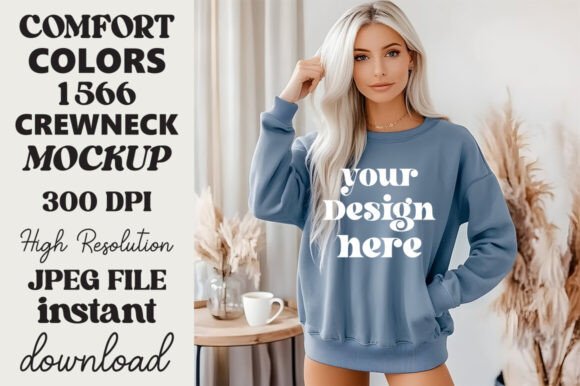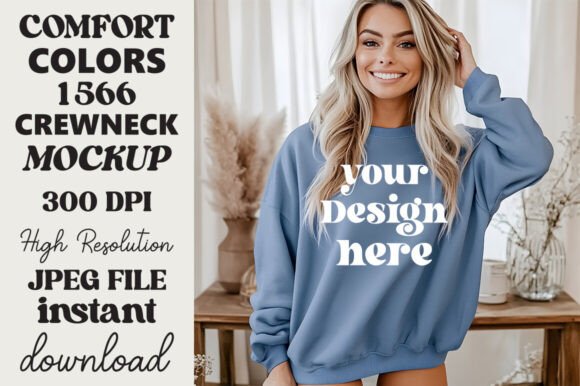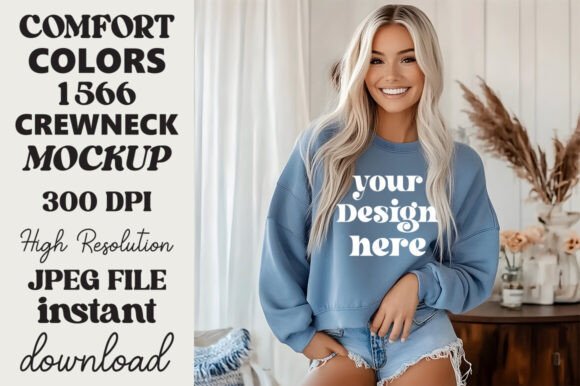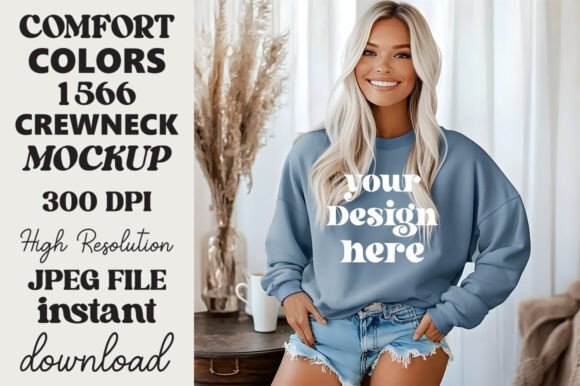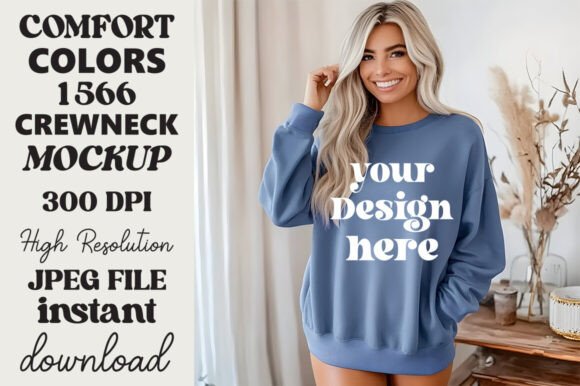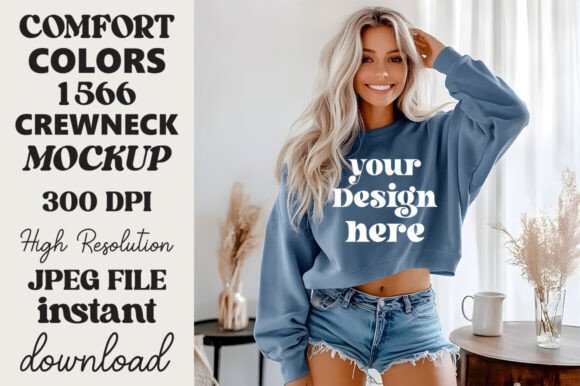
Comfort Colors 1566 Mockup Blue Jean 6 Review
As an embroidery designer with years of hands-on experience, I always take time to evaluate a new design before incorporating it into real projects. Comfort Colors 1566 Mockup Blue Jean 6 is one of those designs that caught my eye not just for its visual appeal but for how well it translates into practical use. Whether you're working on custom apparel or preparing digital mockups for your Etsy shop, this design brings a unique charm and versatility to the table.
A First Glance: Mood and Visual Personality
The first thing that stands out about Comfort Colors 1566 Mockup Blue Jean 6 is its boho-inspired layout. The design features soft curves, layered textures, and a relaxed vibe—perfect for creating handmade products with a touch of artisanal flair. It feels like something that would look at home on a cozy sweatshirt, a personalized tote bag, or even a decorative patch for a denim jacket. The detail level is just right: enough to give depth without becoming overwhelming in stitch count or complexity.
I found the color palette to be subtle yet effective. The blue tones mimic a classic denim wash, which makes it ideal for showcasing embroidered items against realistic backgrounds. For crafters and creative entrepreneurs, this means the mockup can help buyers visualize how their final product will look in a real-world setting, especially if they’re selling digital embroidery files or printable mockups as part of their design offerings.
What Kind of Embroidery Project Does This Design Fit?
- Sweatshirts: The crewneck style works beautifully for casual, everyday wear. Its design fits naturally on a Boho Crewneck Sweatshirt Mocks setup.
- Tote bags: The mockup’s flat surface and realistic stitching render make it a top choice for showing off tote bag embroidery.
- Baby clothes: While the design isn’t baby-specific, it could easily be adapted with softer colors or simpler outlines for a more gentle aesthetic.
- Gifts and decor: With its laid-back look, this design fits well in holiday gifts, nursery decor, or boutique-style merchandise.
Real-Life Performance in Embroidery Projects
Let me walk you through a typical scenario where I used this design in a real project. Recently, I was asked to create a custom sweatshirt for a local boutique. They wanted a design that felt handmade, something that didn’t scream mass production but still had a clean, professional edge. That’s when I reached for Comfort Colors 1566 Mockup Blue Jean 6.
I placed the design on a medium-weight cotton sweatshirt using standard satin stitch and fill stitch techniques. The result was impressive. The mockup’s layered details translated well into actual embroidery, giving the finished piece a textured, dimensional feel. Customers who saw the preview were already imagining themselves wearing it—an essential aspect of any custom apparel project.
This design also performed well when applied to a tote bag. Because of the relatively flat surface and the garment's fabric weight, the embroidery stood out clearly without distortion. It helped elevate the perceived value of the product, making it feel more like a curated item rather than a generic craft.
Where to Use with Caution
While the design has a lot going for it, there are some situations where it might need tweaking or extra care:
- Small hoop sizes: The intricate elements may get lost if you try to shrink the design too much. Always test scaling options carefully.
- Textured or stretchy fabrics: On materials like flannel or jersey, the fine lines and layered effects may not stitch as cleanly unless properly stabilized.
- Dark backgrounds: The light blue hues won’t pop as well on darker fabrics. Consider thread color changes or alternative rendering methods.
- Curved surfaces: When applying the design to caps or curved areas, parts of the mockup might warp slightly depending on how you position the file.
- Dense stitch areas: If you plan to add additional elements around the design, be mindful of stitch density to avoid overloading the fabric.
In all these cases, the key is to understand how the design interacts with different materials and applications. As a seasoned embroidery project planner, I always recommend testing on scrap fabric first to see how it behaves under various conditions.
Impact on Product Value and Customer Perception
One of the most important factors for any handmade product or small shop merchandise is how it looks once completed. Comfort Colors 1566 Mockup Blue Jean 6 adds a layer of professionalism that helps set your work apart from the crowd. The stitched preview gives customers a clear idea of what they’re getting, increasing customer trust and reducing return rates.
From a branding perspective, this design supports consistency. If you're running a craft business or planning a line of holiday gifts, having a cohesive visual identity is crucial. The bohemian styling of this mockup allows for creative freedom while maintaining a recognizable look across multiple products.
Moreover, the design enhances visual appeal and buy-in engagement. When displayed in an Etsy listing or at a craft fair, it instantly draws attention and sparks interest. People love seeing how embroidery will look on a finished product, and this mockup delivers that realism effectively.
Designer Tips for Getting the Most Out of This File
- Test it first: Before stitching onto your final product, run a sample on scrap fabric to check how it handles your machine and threads.
- Check thread contrast: Especially if you’re planning to use it on dark or busy fabrics, ensure the thread colors provide enough visibility.
- Review stitch density: Dense fill areas might require adjustments to prevent puckering or excessive bulk.
- Confirm hoop size: Make sure your hoop can accommodate the full size of the design without compromising quality.
- Inspect small details: The layered elements in the design can sometimes lose clarity when resized or altered. Always zoom in during review.
- Use proper stabilizer: A tear-away or cut-away stabilizer can help maintain the design’s integrity, especially on stretchier or thinner materials.
- Consider black and white versions: Testing the design in grayscale can reveal how it’ll look in monochrome embroidery or on lighter/darker bases.
- Compare fabric backgrounds: See how the design renders on both light and dark fabric to determine if it needs customization for different uses.
- Verify licensing: If you plan to sell finished products or offer this as a digital embroidery file, double-check the license terms to stay compliant.
Final Thoughts on Real-World Application
Overall, Comfort Colors 1566 Mockup Blue Jean 6 is a solid addition to your design assets library. It offers a blend of style and functionality that’s rare to find in many product mockups. The design feels authentic and approachable, which is exactly what your customers want when they’re investing in a personalized gift or a small shop product.
However, like any good machine embroidery design, it requires thoughtful application. You wouldn’t put a floral applique on a leather jacket without adjusting the file, and the same goes here. Understanding how it behaves on different fabric textures and under various stitching conditions is key to unlocking its full potential.
For Embroidery designers, apparel decorators, and digital product sellers, this is a great tool for presenting your work in a realistic and appealing way. Just remember to tailor it to your specific needs and always keep an eye on the finer details. With a little practice and consideration, you'll be able to integrate this design into your workflow seamlessly and confidently.
Wrapping Up
Whether you're creating a custom sweatshirt for a client or designing holiday embroidery for your online store, Comfort Colors 1566 Mockup Blue Jean 6 provides a reliable and stylish foundation. It’s not just about looking good—it’s about helping your finished product resonate with your audience in a meaningful way.