Comfort Colors 1566 Mockup Blue Jean 13 Review for Real Projects
As an embroidery designer and product reviewer who’s worked with countless mockups over the years, I always approach a new design like Comfort Colors 1566 Mockup Blue Jean 13 with a mix of curiosity and practicality. This isn’t just about how it looks in a digital preview—it’s about whether it can deliver consistent results across real-world materials and applications. Let me walk you through my honest take on this mockup from the perspective of someone who wants to see it stitched and sold.
A First Glance: Mood and Visual Personality
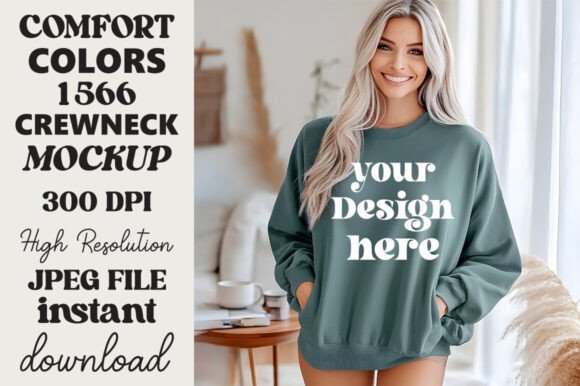
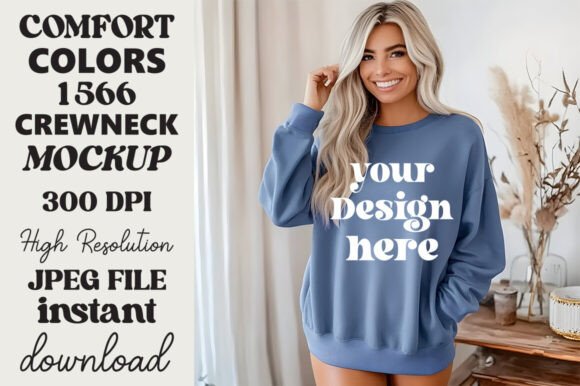
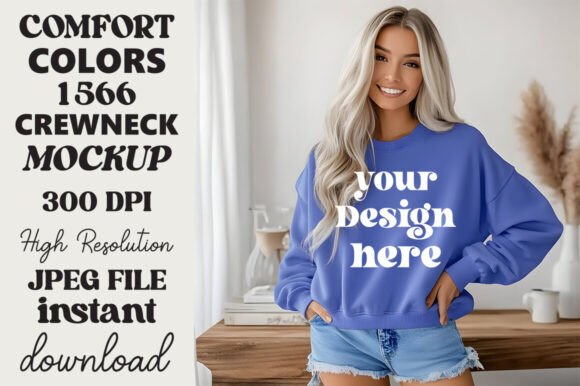
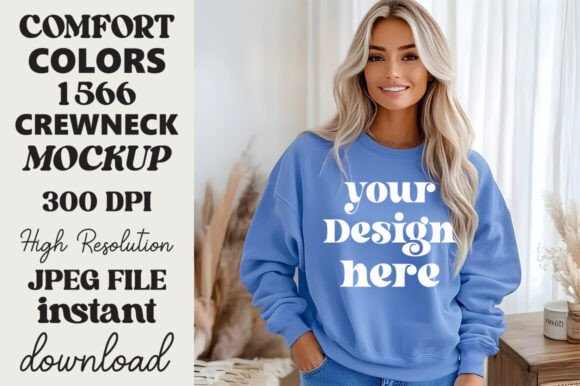
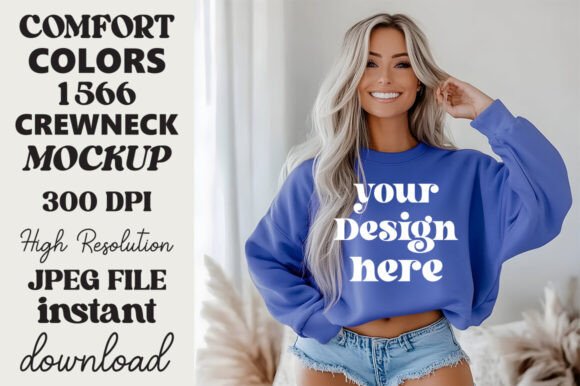
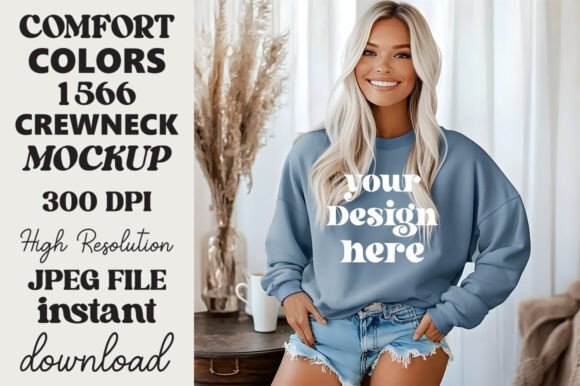
The first thing that stands out about Comfort Colors 1566 Mockup Blue Jean 13 is its clean, modern aesthetic. The mockup presents a realistic blue jean crewneck sweatshirt with soft folds and natural drape, giving off a laid-back yet stylish vibe. It feels like something that would work well for boutique branding or casual custom apparel—think cozy weekend wear or personalized gifts with a touch of sophistication.
The layout is balanced, and the placement of the design area allows for both front-and-center logos and subtle, understated placements. The color palette is muted but not dull, which makes it versatile enough to pair with a range of thread colors without clashing. As a designer, I appreciate the attention to detail in fabric texture and lighting—it doesn't feel overly stylized, which helps maintain authenticity when presenting finished products to clients or customers.
Real-Life Application: Sweatshirts and Tote Bags
I recently used this mockup while preparing a custom embroidered sweatshirt for a client—a boho-inspired design featuring floral accents and a minimalist text line. What impressed me was how the mockup allowed me to visualize where each element would fall on the garment. The Boho Crewneck Sweatshirt style fits naturally into the mockup, making it ideal for showcasing designs that complement a relaxed, artsy look.
For tote bag projects, the mockup also performs well because of its neutral background and accurate representation of how embroidery sits on a larger surface. The positioning of the design area helps in planning coverage without overwhelming the viewer. Whether you're working on a small craft business listing or a high-end boutique item, this mockup gives a professional edge by simulating real-life conditions accurately.
What Makes It Click with Customers?
Customers respond best to mockups that feel authentic and trustworthy. With Comfort Colors 1566 Mockup Blue Jean 13, there's a sense of handmade quality even in the digital version. It doesn’t scream “mass-produced” but rather hints at a thoughtfully curated design. That subtle difference can make all the difference in customer perception—especially for Etsy sellers and handmade shop owners looking to stand out.
The mockup’s ability to show stitch lines and fabric interaction is key. When designing a personalized gift, such as a baby onesie or holiday ornament, seeing how the embroidery will sit on the material before production is invaluable. This mockup does that well, helping you avoid costly misjudgments in placement or scale.
Performance Across Different Embroidery Projects
This mockup isn’t limited to just one type of project. Here’s how it stacks up across various uses:
- Custom Apparel: Works great for sweatshirts, t-shirts, and hoodies. The positioning is flexible enough to suit different styles and brand needs.
- Baby Clothes: Ideal for soft, pastel embroidery designs. The realistic fabric tone helps assess how gentle or bold your design might appear on delicate garments.
- Tote Bag Design: Offers a good canvas for both large and medium-sized embroidery, especially when paired with satin stitches or simple monogramming.
- Embroidered Patch: If you’re testing patch placement, the mockup handles overlays and shadows convincingly, letting you plan how the final piece will pop against the base fabric.
- Commercial Embroidery: Its clean presentation supports branding consistency across multiple items. Great for creating cohesive lookbooks or marketing assets.
- Digital Product Previews: As part of a printable mockup bundle, it’s useful for showing potential buyers how your design translates onto real goods. Especially helpful if you sell digital embroidery files.
One thing I noticed is that the mockup doesn’t require heavy editing to adapt to most designs. It’s already set up with realistic lighting and shadowing, so you can focus more on your creative choices than on tweaking the background. That efficiency is a big plus for anyone juggling multiple projects or tight deadlines.
Where Caution Is Key
While Comfort Colors 1566 Mockup Blue Jean 13 is versatile, there are a few areas where it might not be the best fit:
- Small Hoop Sizes: The mockup assumes a standard size, so if you're using a smaller hoop, double-check the design scaling to ensure clarity and legibility.
- Textured or Stretchy Fabrics: Since the mockup shows a smooth, cotton-like surface, it may not fully represent how the design would behave on denim or stretch fabrics. Always test on actual material if possible.
- Dense Stitch Areas: If your design has intricate fill stitches or tight patterns, the mockup might not capture how much bulk or puckering could occur. Be sure to review stitch density settings before finalizing.
- Dark Fabric Backgrounds: The light-toned mockup can make it harder to judge thread contrast on darker bases. A quick black-and-white version or a separate dark background mockup can help clarify visibility issues.
- Curved Surfaces: While the flat mockup is excellent for general use, it won’t simulate curved surfaces like caps or sleeves. For those, consider supplementing with another mockup format.
These aren’t deal-breakers, but they’re important considerations if you want to ensure your finished product matches expectations.
Visual Appeal Meets Stitching Clarity
One of the standout qualities of this mockup is how it balances visual appeal with stitching clarity. You can easily spot where running stitches or satin bands will fall, which is crucial for avoiding awkward gaps or overlaps in your design. The sweatshirt embroidery simulation, for example, shows how layers of thread interact with the fold lines and seams—something many generic mockups overlook.
This level of accuracy also boosts product value and customer trust. When your buyers or clients see a realistic preview, they’re more likely to feel confident about their purchase. It builds brand consistency and elevates the overall professionalism of your offerings, whether you're an Etsy seller or managing a small shop product line.
Design Notes for Embroidery Professionals
If you're considering using Comfort Colors 1566 Mockup Blue Jean 13 in your workflow, here are some practical tips I’ve picked up from experience:
- Test on Scrap Fabric: Even if the mockup looks perfect, always do a trial run to see how the design interacts with your chosen material.
- Check Thread Color Contrast: Use the mockup to evaluate how your thread colors pop against the base fabric. Adjust accordingly for better visibility.
- Review Stitch Density: Look closely at fill and satin stitches in the mockup. Dense areas might need stabilizer or adjustments for certain fabrics.
- Confirm Hoop Size: If you’re unsure about the exact dimensions of the design area, reach out to the provider or test on your machine.
- Inspect Small Details: Tiny lettering or decorative accents can be tricky to render clearly. Make sure they’re legible and won’t get lost in the grain or texture of the fabric.
- Use Proper Stabilizer: Especially if you're working with thin or stretchy materials, don’t skip this step. The mockup might not account for how much movement the fabric actually has.
- Compare Light and Dark Backgrounds: If you’re selling digital embroidery files, provide mockups in both tones to give buyers a full picture of how the design behaves.
- Check Licensing Before Selling: If you plan to offer the finished product commercially or sell digital assets based on this mockup, verify licensing terms to stay compliant.
Giftability and Market Fit
When it comes to gift-based embroidery projects—like holiday embroidery or wedding gifts—the mockup adds a layer of polish that can enhance giftability. Seeing how a name or message appears on a cozy crewneck sweatshirt helps customers imagine the final product as a meaningful present. This is especially true for personalized baby items or nursery decor, where presentation matters just as much as the design itself.
For hobbyists and makers, the mockup serves as a helpful tool to gauge how their handmade product might look once completed. It’s not just about aesthetics; it’s about setting realistic expectations and delivering a product that feels premium and intentional.
Final Thoughts: A Designer’s Perspective
Comfort Colors 1566 Mockup Blue Jean 13 is a reliable addition to any embroidery designer’s toolkit. It offers a realistic view of how your machine embroidery design will translate onto a wearable piece, which is essential for both personal and commercial embroidery projects. The mockup’s neutrality makes it adaptable, and its attention to detail ensures that your design assets look polished and professional.
That said, no mockup is a substitute for real-world testing. Always take time to inspect the design in person, especially when working with unique threads, fabrics, or techniques. But with this mockup, you’ll be closer to the final result than ever before.
Whether you're crafting for your own collection or building a brand around custom apparel, this mockup provides a solid foundation for making smart creative decisions. And for digital product sellers, it’s a great way to showcase what your embroidery file can achieve—without needing a photo shoot.