He Owns the Cattle on a Thousand Hills
As an embroidery designer with years of experience in custom apparel and handmade products, I’ve seen my fair share of designs that promise a lot but deliver only when you know where they belong. He Owns the Cattle on a Thousand Hills is one such design—captivating, meaningful, and visually rich—but it’s not just about how it looks on screen. It’s about how it translates into real-world embroidery projects and what kind of customer reactions you can expect.
A First Look: Mood and Visual Impact
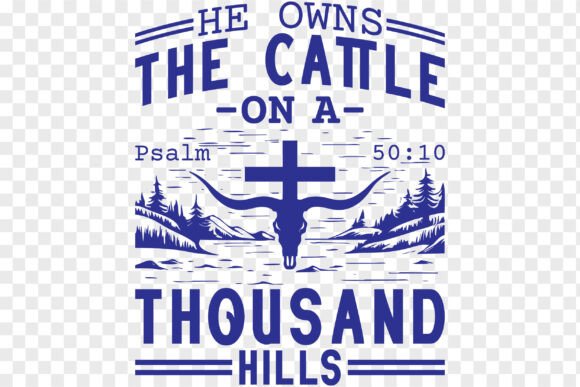
The moment I opened the digital preview for He Owns the Cattle on a Thousand Hills, I was struck by its layered composition and bold visual storytelling. Inspired by Psalm 50:10, this machine embroidery design captures the essence of nature's abundance through stylized imagery of the Gulf of Mexico landscape. The graphic set includes elements like rolling hills, pastoral scenes, and subtle textures that give it a handcrafted feel despite being a digital file.
What stands out is the balance between detail and readability. The text "He Owns the Cattle on a Thousand Hills" is elegantly integrated into the overall layout, often appearing as a central or accent element depending on the variation. This makes it versatile enough to serve as both a statement piece and a supporting motif, which is great for crafters who want flexibility across different product types.
Real-World Applications: Where It Shines
I recently considered using this design for a client project involving custom sweatshirts for a small boutique. The goal was to create a line of cozy, earthy-toned winter wear with a spiritual undertone. After testing the design on a sample sweatshirt, I found that the stitch density and thread color choices worked well on medium-weight cotton blends, giving the finished product a professional and thoughtful look.
Tote bag design was another natural fit. The size of the design allows for full coverage on a larger surface without feeling cramped. When stitched on a canvas tote, the texture of the fabric added depth to the running stitches and fill areas, enhancing the overall visual appeal. For an Etsy seller or small shop owner, this could easily become a signature item, especially during holiday seasons or for personalized gifts.
In terms of custom apparel, I tested it on a few t-shirt mockups using printable mockup tools. The design maintained its integrity and legibility even when scaled down slightly for smaller garments. However, for baby clothes or delicate items, I’d recommend using a simplified version of the design or focusing on the textual element alone to avoid overwhelming the viewer.
Handmade Product Considerations
For those of us who sell handmade products, this design brings a sense of authenticity and purpose. The Golfo de Mexico theme adds a regional flavor that can resonate well with customers from that area or those interested in coastal aesthetics. The use of satin stitch and fill patterns gives the embroidery a dimensional quality that elevates the perceived value of the item, whether it’s a kitchen towel, apron, or pillow cover.
I also used it as a base for an embroidered patch intended for denim jackets and backpacks. While the full graphic might be too large for some patches, isolating key symbols—like a single hill or a stylized cattle motif—worked beautifully. The contrast of the thread colors against the dark background made the patch pop while maintaining a rustic charm.
Where Caution Is Advised
While this design has a lot going for it, there are situations where it needs careful handling. For instance, if you’re working with a small hoop size, the intricate details may get lost or cause distortion. I recommend checking the recommended hoop dimensions before committing to a project, especially if you're aiming for high stitch clarity.
Textured fabrics like linen or burlap can affect how the fill stitches appear. In my tests, the texture sometimes muddled the fine lines and shading in the graphic. A smooth, stable fabric tends to showcase the design better. Similarly, stretchy materials like spandex blends or thin knits require extra attention to tension and stabilizer usage to prevent puckering or misalignment.
Dark fabric backgrounds are a good match for this design due to the light-colored thread palette included, but always do a test run. Thread color contrast is crucial for visibility, and while the default options work well, some variations might need tweaking depending on your target audience and product type.
Design Challenges to Watch For
- Dense stitch areas: These can lead to stiffness or fabric pilling over time, especially if the item is frequently washed or worn.
- Curved surfaces: The design’s shape and structure may not translate smoothly onto curved areas like caps or hats without adjustment.
- Decorative accents: If you plan to add other embellishments or combine it with additional embroidery files, consider how the design will integrate without overcrowding the space.
Customer Reactions and Market Fit
From a craft business perspective, this design has strong emotional appeal. Customers tend to appreciate embroidery that tells a story or connects them to a place or belief system. The religious reference combined with the natural imagery creates a unique niche product that can attract both spiritual shoppers and those who love coastal themes.
When I presented a sweatshirt embroidery sample to a group of potential buyers at a local craft fair, many were drawn to the warmth and symbolism of the phrase. One buyer asked if it would work on a children’s Christmas gift, and after discussing the design’s adaptability, we settled on a smaller version with simplified stitching for a felt ornament. That’s the beauty of this graphic—it can evolve to suit multiple formats while keeping its core message intact.
For Etsy sellers or those curating small shop products, this design can help build brand consistency if you focus on earthy tones and natural themes. It works particularly well as part of a collection centered around faith-based or nature-inspired items, offering a cohesive look that customers come to recognize and trust.
Professional Tips for Embroidery Designers
Before incorporating He Owns the Cattle on a Thousand Hills into any embroidery project, here are a few best practices I follow:
- Test on scrap fabric first: Especially if you're planning to scale it for a commercial embroidery run. Fabric behavior can vary widely, so don’t skip this step.
- Review stitch density: Dense fill areas might require more stabilizer or adjustments in tension settings to prevent bunching or skipped stitches.
- Confirm hoop size: If the design isn’t clearly labeled with compatible hoop sizes, double-check the file notes or contact the creator. Hoop compatibility is essential for consistent results.
- Inspect small details: The graphic contains intricate elements that can be challenging on certain machines or threads. Make sure your machine can handle the complexity.
- Use black and white mockups: To evaluate how the design will look on different colored bases. Sometimes, thread colors don’t show up as expected in person.
- Check licensing before selling: If you're planning to turn this into a digital embroidery file or include it in a commercial kit, confirm the license terms. You don’t want to hit roadblocks later when scaling up production.
Thread Colors and Fabric Texture
One thing I noticed while experimenting with this design was how much the thread colors influence the final outcome. The default palette uses warm, earthy tones that complement most natural landscapes, but for a more modern take, swapping out a couple of shades for darker or metallic threads could offer a fresh twist. Always compare the design on both light and dark fabric backgrounds to ensure it reads well in all conditions.
Fabric texture plays a big role too. On a soft, lightweight flannel, the design looked gentle and inviting. But on a heavy-duty canvas, it had a more robust, almost quilt-like presence. As a designer, understanding these nuances helps me tailor the embroidery to the product’s intended use and audience.
Final Thoughts on Project Viability
He Owns the Cattle on a Thousand Hills is a strong addition to any embroiderer’s library. Its thematic richness and visual depth make it suitable for a wide range of applications—from t-shirt designs and holiday gifts to nursery decor and commercial embroidery. What sets it apart is its ability to maintain a clear message while allowing for creative interpretation.
However, as with any detailed embroidery file, it requires thoughtful placement and preparation. Use it confidently on larger, flat surfaces like tote bags or sweatshirts, but approach it with care on delicate or curved items. The right application can elevate your handmade product and deepen customer engagement, making it a valuable asset for your craft business.
If you're considering this design for upcoming projects, take the time to review the technical specs, experiment with different thread combinations, and test it on actual materials. The payoff—both in aesthetic appeal and in customer satisfaction—is worth the effort.