Cowboy Western Teacher Door Sign Review for Real Projects
As an experienced embroidery designer and product reviewer, I always take a moment to study the visual language of any design before considering its real-world application. The Cowboy Western Teacher Door Sign caught my eye with its bold personality and clear intent — it’s not just another decorative file; it's a statement piece that speaks directly to niche markets like themed classrooms, boutique stores, or personalized gifts with a western flair.
First Impressions: Mood and Visual Personality
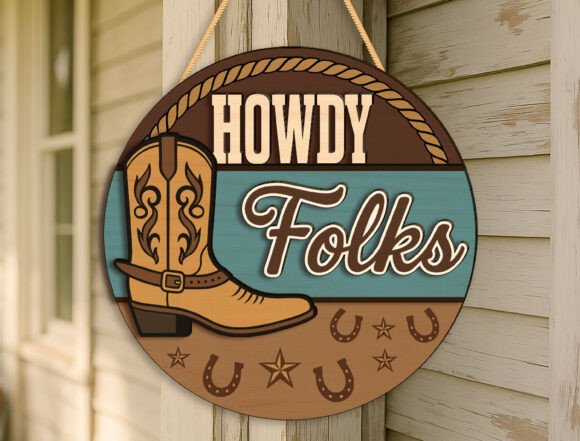
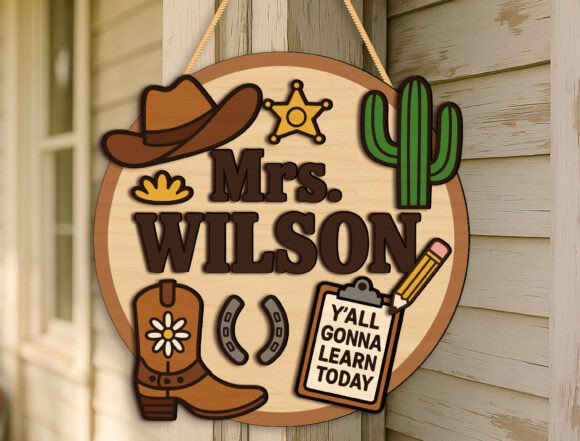
The first thing I noticed about this design is how it balances rustic charm with clean, modern typography. The overall layout suggests a sense of authority mixed with fun — perfect for a teacher’s door who wants to add a touch of individuality while staying professional. The cowboy theme is subtle but impactful, using silhouette elements and stylized fonts to evoke a Wild West vibe without being over-the-top.
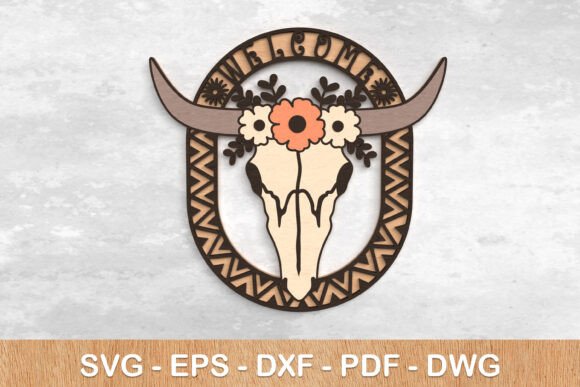
What stands out is the thoughtful use of negative space and the shape of the sign. It doesn’t scream for attention but rather invites curiosity. The detail level is consistent throughout, with no awkwardly proportioned elements that might confuse a machine or distract from the message. This makes it adaptable for both embroidered and printed applications, especially since it includes SVG and PNG formats in the ZIP package — great for laser cutting or digital mockups.
A Natural Fit for Custom Apparel and Décor
This design would work exceptionally well on custom apparel such as sweatshirts or tote bags. Imagine a cozy, oversized hoodie with “Cowboy Western Teacher” stitched across the back — it immediately sets a tone that’s approachable yet authoritative. On a tote bag, it adds character and could serve as a conversation starter at school events or craft fairs.
I also see potential for this design in classroom décor. An embroidered patch attached to a bulletin board frame or used as part of a larger wall display could reinforce a thematic learning environment. For handmade shop owners or Etsy sellers, incorporating this into small shop products like aprons or tea towels could help build brand recognition and appeal to parents looking for unique, kid-friendly items.
Real-World Performance in Embroidery Projects
When evaluating how this design will perform in actual embroidery projects, I consider several key factors. First, the stitch layout. Since the design uses a mix of satin stitch and fill stitch areas, it should hold up well on medium-weight fabrics like cotton blends or felt. However, if you're working with stretchy materials such as knits, you’ll need to adjust the tension settings and possibly reduce stitch density to prevent distortion.
Thread colors are another important aspect. The design seems to suggest a classic color palette, which works well for most applications. But as a designer, I recommend testing different thread combinations to match your target audience or existing brand colors. A muted brown and tan scheme might feel more authentic for a country school setting, whereas brighter reds and golds could make it pop on a holiday gift.
Stabilizer choice will also be critical, particularly when using it on thin or textured fabric. A tear-away stabilizer may not be enough for dense areas of stitching; cut-away or wash-away options could provide better support. Always do a test run on scrap fabric to ensure the design maintains clarity and doesn't pucker during stitching.
Where to Use with Caution
- Small hoop sizes: The text and iconography are reasonably sized, but there may be challenges fitting the entire design within tight boundaries. Consider cropping or simplifying the design for smaller items like baby clothes or embroidered buttons.
- Curved surfaces: If you plan to use it on caps or curved patches, check the alignment and adjust the design orientation accordingly. Running stitch sections may require extra care to maintain their integrity on non-flat surfaces.
- Dense stitch areas: While these can create dimension, they might lead to stiffness in soft goods like pillow covers or blankets. Evaluate whether this texture aligns with the final product’s purpose.
- Frequent washing: For items like kitchen towels or aprons, ensure the design is built for durability. Reinforce corners and inspect stitch direction for long-term wear.
Design Impact on Product Value and Customer Engagement
One of the things I appreciate about the Cowboy Western Teacher Door Sign is how it elevates the visual appeal of a product without overwhelming it. It has a strong identity, making it ideal for branded merchandise or personalized gifts where recognition matters. The design feels intentional, which translates to customer trust — people know what they’re getting when they choose something with a clear theme and professional layout.
For Etsy sellers or handmade product creators, this design offers excellent giftability. It’s versatile enough to suit a variety of occasions, from back-to-school gifts to holiday-themed keepsakes. The visual consistency between the digital preview and the finished embroidery helps buyers form accurate expectations, reducing return rates and increasing satisfaction.
Professional Presentation and Brand Consistency
When building a line of products around a specific theme — say, western-inspired classroom décor — having a design like this ensures brand consistency. You can scale it across multiple items (from embroidered patches to sublimated signs) while maintaining a cohesive look. As someone who reviews designs for commercial use, I value this kind of flexibility.
It’s also worth noting that the design’s layout allows for easy customization. Adding names or dates is straightforward due to the open spacing and readable font style. This opens up opportunities for personalized products that speak directly to the recipient, whether it’s a birthday gift or a wedding favor.
Designer Notes for Practical Application
Here are some quick tips based on my experience using similar designs in production:
- Test it first: Always run the embroidery file on a scrap of the intended fabric. This gives you a chance to tweak stitch settings and catch any issues early.
- Review contrast: Make sure the thread colors stand out against the fabric background. Try it on both light and dark tones to see which looks best.
- Check stitch density: Especially in the lettering and border areas. Too loose and it loses definition; too tight and it becomes stiff or prone to puckering.
- Inspect small details: The western motifs in this design are charming, but they can easily get lost if scaled down too much. Keep an eye on those corners and lines during the setup phase.
- Use proper stabilizer: Don’t skip this step. A stable foundation ensures the design comes out crisp and clean, even after multiple stitches pass through the same area.
- Confirm licensing: If you're planning to sell finished items or digital assets, double-check the licensing terms included with the digital embroidery file. Many free files have restrictions on commercial use.
- Mockup it: Before listing it on Etsy or sending it to a client, create a printable mockup to show how it looks on different items. This builds buyer engagement and clarifies the final outcome.
Final Thoughts on Design Versatility
The Cowboy Western Teacher Door Sign isn’t just a novelty design. It brings a unique aesthetic to your embroidery project that can enhance the perceived value of your finished product. Whether you're creating a custom sweatshirt for a local school event or designing a set of tote bag designs for your craft business, this design can fit seamlessly into your creative workflow.
Its adaptability for Signs and Laser Cutting means it can also transition from digital to physical with minimal effort. That’s a big plus for multi-media designers who want to offer both hand-stitched and laser-cut versions of the same motif.
In short, the Cowboy Western Teacher Door Sign is a solid addition to your design toolkit — one that’s been crafted with practicality and personality in mind. Just remember to tailor it to your specific needs and always prioritize quality control in your process.