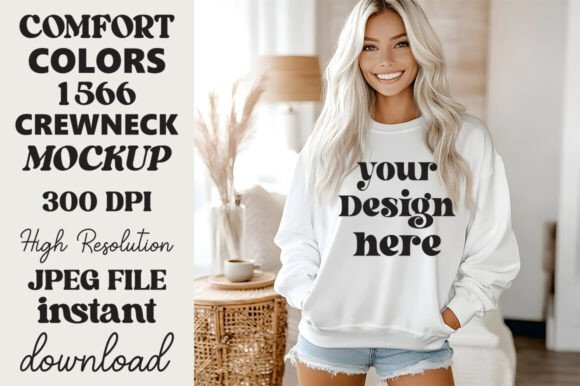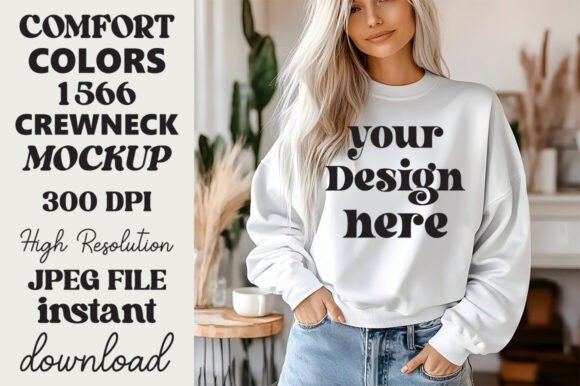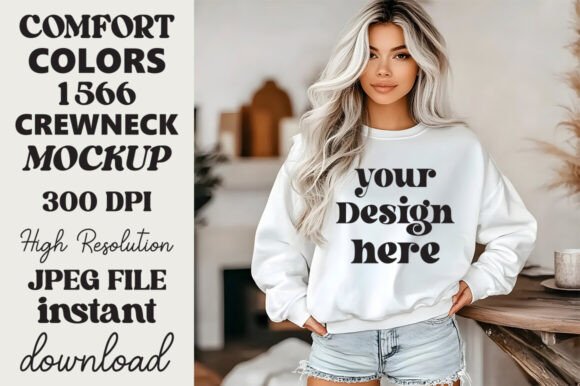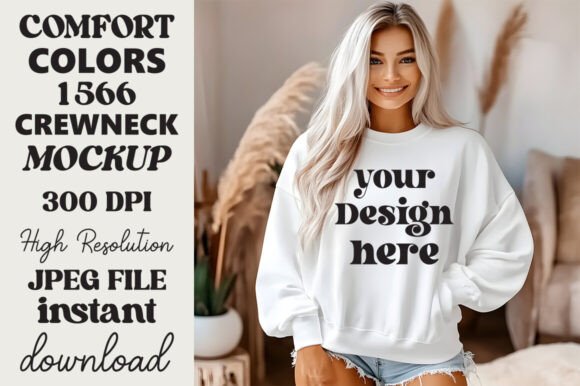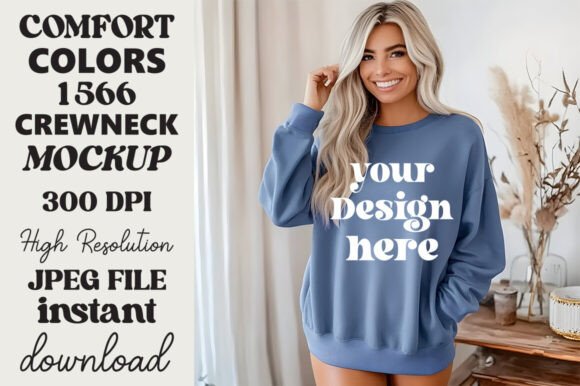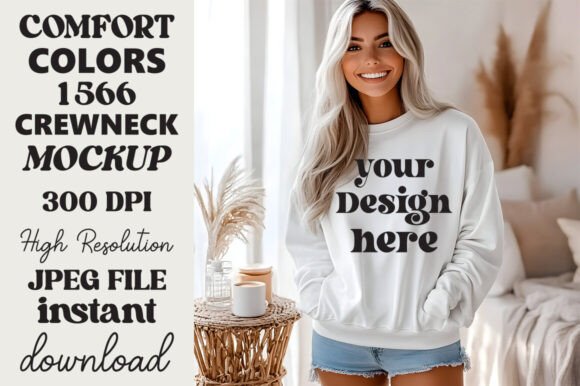
Comfort Colors 1566 Mockup White 11 Review for Embroidery Projects
As an embroidery designer who’s worked with hundreds of mockups and design files, I always approach a new product like Comfort Colors 1566 Mockup White 11 with both curiosity and caution. It's not just about how it looks in the preview—it's about how it translates into real-world applications, especially when you're crafting custom apparel or selling handmade products online. So let me walk you through my honest evaluation of this mockup based on actual use scenarios and practical design considerations.
First Impressions: A Boho-Ethnic Vibe That Works
The first thing that stands out with Comfort Colors 1566 Mockup White 11 is its visual personality. It has a soft, laid-back bohemian aesthetic that screams casual comfort and subtle style. The layout is clean but expressive, with a crewneck silhouette that feels versatile enough to adapt across various fabric types and color schemes. Whether you're working on a sweatshirt embroidery, a tote bag design, or even a baby clothing project, this mockup gives off a vibe that’s both modern and timeless.
What really caught my eye was the detail level around the neckline and seams. It doesn’t have too many busy elements, which makes it ideal for showcasing embroidery work without competing with the garment itself. The texture simulation is decent, though it leans more toward smooth cotton blends than heavily textured fabrics. Still, for most crafters and small shop owners, this will be more than sufficient for visualizing their embroidered patch or other embellishments.
Real-World Application: Where This Mockup Shines
I tested this mockup while preparing a custom sweatshirt order for a boutique client. They wanted something simple yet stylish for a seasonal collection. When I layered their logo over the white version of the 1566, the result felt very natural—like the design would sit perfectly on the finished product. This is a big win for anyone selling custom apparel or using digital embroidery files for product mockups.
Here are some of the best use cases I found:
- Custom Sweatshirts: Especially in a boho or casual line. The soft curves and neutral tone make it easy to pair with minimalist or floral embroidery designs.
- Tote Bag Design: Great for displaying monogrammed names or small logos. The mockup shows how the design wraps around the body of the bag realistically.
- Baby Clothes: Its understated look works well for gender-neutral collections. You can overlay gentle applique designs or embroidered initials without overwhelming the viewer.
- Handmade Product Previews: Perfect for Etsy sellers or craft fair creators looking to present their items in a professional way. It helps customers imagine the final piece before purchase.
This isn’t a flashy, attention-grabbing mockup, but that’s exactly what makes it so effective. It lets your embroidery take center stage, which is crucial for maintaining brand consistency and showing off the quality of your design assets.
Where Caution Is Needed: Stretch, Texture, and Tiny Details
While the 1566 Mockup White 11 is highly adaptable, there are situations where it might fall short. If you're planning to stitch on stretchy or thin fabric, the simulated placement could appear slightly misaligned or distorted when viewed up close. Similarly, if your design involves dense fill stitches or intricate corners, the mockup’s flat rendering may not do justice to the actual 3D effects you’ll see post-stitching.
Also, keep in mind that this mockup is optimized for smoother surfaces. If you’re testing how your embroidery file looks on a textured canvas tote or a woven blanket, you might need to adjust expectations. The same goes for dark fabric backgrounds—while the white version is great for light-colored projects, it won't accurately reflect how thread colors pop on darker garments unless you manually test the contrast yourself.
Design Considerations for Stitching Clarity and Visual Appeal
One thing I appreciate about this mockup is how it handles different stitching techniques. Satin stitches are rendered smoothly, and running stitch outlines remain clear and defined. This is important because many designers rely on these visuals to judge whether a design will look crisp or blurry after being stitched onto a real product.
However, for small hoop sizes or detailed corners (like those in a personalized gift or holiday embroidery), the mockup doesn’t provide a magnified view. That means you’ll want to zoom in manually or print a sample to ensure everything fits within the intended space. As a rule of thumb, I recommend always testing the design on scrap fabric before finalizing any production run.
Thread colors also come into play. While the white base of the mockup allows for good visibility of multi-colored threads, it's still worth checking how they’d look on your chosen fabric. I often switch to black-and-white versions of the mockup to assess contrast and readability—especially for text-heavy designs like handmade product labels or boutique branding elements.
Customer Trust and Professional Presentation
For Etsy sellers and small business owners, presentation matters. A high-quality mockup like Comfort Colors 1566 White 11 can elevate your listings by showing potential buyers exactly what they’ll receive. The realistic drape and soft lighting help build customer trust, as people can better visualize the finished product.
But don’t mistake realism for perfection. If your design includes decorative accents or complex patterns, the mockup might not show every nuance. In such cases, consider pairing it with a few lifestyle photos or video previews to give a fuller picture. Remember, no matter how good the printable mockup is, nothing beats seeing the actual item in hand.
Designer Notes: Best Practices Before Using
Before using Comfort Colors 1566 Mockup White 11 in your next project, here are some practical tips from experience:
- Test on Scrap Fabric: Even if the mockup looks perfect, real fabric behavior can differ. Always do a trial stitch to confirm fit and clarity.
- Check Thread Color Contrast: Use the white background to your advantage, but also simulate how your design will appear on darker or patterned fabrics.
- Review Stitch Density: If your design uses heavy fill stitches or tight satin coverage, ensure the mockup doesn’t compress them visually. Real stitching might look bulkier than shown.
- Confirm Hoop Size: If the original design requires a specific hoop size, double-check compatibility with your machine. Some machine embroidery designs can get tricky when scaled down.
- Inspect Small Details: Look at tiny lettering or delicate lines closely. These might not render clearly on the screen, even if they stitch well.
- Use Proper Stabilizer: Especially if you plan to embroider on stretchy or slippery materials. The mockup won’t account for puckering or distortion caused by poor stabilizer choice.
- Confirm Licensing: If you're selling finished items or digital embroidery files, verify that you have the right to do so with this particular digital embroidery file.
Final Thoughts: A Reliable Tool for Most Projects
Overall, Comfort Colors 1566 Mockup White 11 is a solid choice for a wide range of embroidery-based products. It performs well for basic to mid-complexity designs, especially when simplicity and subtlety are key. For commercial embroidery, handmade gifts, or small shop merchandise, this mockup adds a touch of professionalism without overshadowing your creative work.
That said, it’s not a one-size-fits-all solution. If your project involves curved surfaces like caps, very thin or stretchy fabrics, or intricate detailing, you may need to supplement with additional mockups or physical samples. But for most everyday uses—think tote bags, sweatshirts, and personalized gifts—this one gets the job done reliably and effectively.
So if you're an embroidery designer, craft business owner, or Etsy seller looking for a trustworthy product mockup to showcase your creations, give this one a try. Just remember to pair it with good old-fashioned testing and preparation. After all, we’re in the business of making things look—and feel—just right on the finished product.