Comfort Colors 1566 Mockup Crimson 14 Review
As an experienced embroidery designer and product reviewer, I always look for mockups that not only represent the design well but also help in visualizing how it will translate into a real-world embroidered item. The Comfort Colors 1566 Mockup Crimson 14 is one such asset that caught my attention while preparing for a custom sweatshirt order. Let me walk you through my thoughts on how this mockup performs in practical embroidery settings and what to keep in mind before using it.
First Impressions: Aesthetic and Purpose
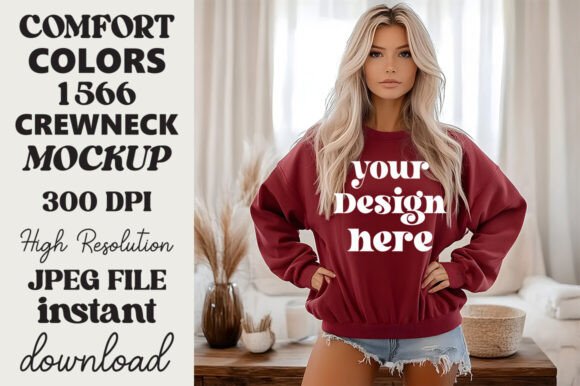
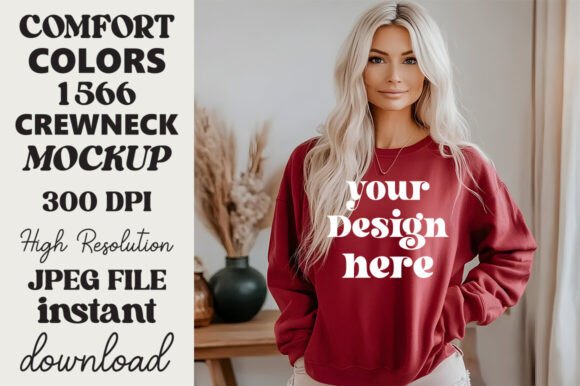
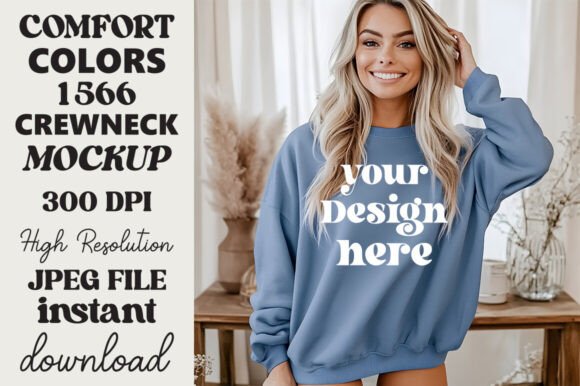
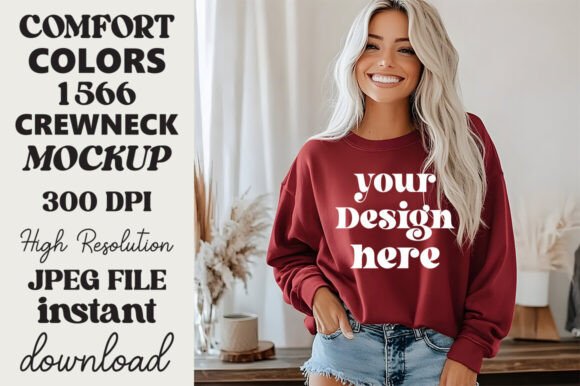
The first thing I noticed about Comfort Colors 1566 Mockup Crimson 14 is its clean and modern layout. It features a high-quality image of a Boho Crewneck Sweatshirt in a rich crimson tone, with just the right amount of detail to show off the stitching without overwhelming the eye. The model is posed naturally, which gives a realistic sense of scale and placement. This mockup has a warm, inviting feel—perfect for designs that aim to evoke comfort and style.
Its theme is subtle enough to work with various embroidery styles but detailed enough to highlight intricate stitching. As someone who often works with both handmade and commercial projects, I appreciate how this mockup maintains a balance between professional presentation and approachable charm. It’s especially suited for sweatshirt embroidery, where the fabric texture and drape can significantly affect the final look.
Visual Personality and Project Fit
I see this mockup fitting best with casual apparel like crewnecks, hoodies, or even tote bags where the focus is on soft textures and cozy aesthetics. The color palette supports a wide range of thread colors, making it versatile for different client preferences. It feels like a natural companion for Boho-inspired or minimalist designs, as well as more traditional motifs that benefit from a refined backdrop.
Real-Life Embroidery Performance
When I used Comfort Colors 1566 Mockup Crimson 14 to showcase a custom Boho floral design on a crewneck sweatshirt, the result was impressive. The mockup accurately conveyed how the satiny edges and fill stitches would appear once stitched, giving the customer a clear idea of the finished product. It didn’t distort the proportions or flatten the depth of the embroidery, which is a common issue with lower-quality visuals.
This mockup excels at showing how the design interacts with the garment's shape and folds. For example, when I placed a running stitch border along the hemline, the mockup demonstrated how the stitches would lay smoothly against the curve of the sweatshirt—something that matters when considering custom apparel for boutique or Etsy shops.
For handmade products, such as personalized gifts or holiday items, the mockup helps maintain consistency across multiple pieces. Whether it’s a baby onesie or a festive pillow cover, seeing the design in context makes it easier to judge placement, scale, and overall harmony. I found it particularly useful for holiday embroidery projects, where visual clarity and warmth are key to capturing buyer interest.
Use Cases That Work Well
- Sweatshirts and Hoodies: Especially those made from cotton blends or heavier knits.
- Tote Bags: When showcasing bold logos or small-scale patterns.
- Baby Apparel: For delicate, pastel-themed designs that require a soft background.
- Aprons and Pillow Covers: Ideal for home décor items with a bohemian flair.
- Etsy Listings and Craft Fairs: Helps build customer trust by showing exactly what they’ll receive.
- Digital Product Previews: Great for selling embroidery files as downloadable assets.
- Commercial Projects: Suitable for small shop merchandise and branding efforts.
Where to Use With Caution
While the mockup is strong in many areas, there are certain scenarios where it may not deliver the full picture:
Challenging Fabrics and Surfaces
- Thin or Stretchy Fabrics: These might not hold up the same level of detail shown in the mockup. Always test on similar material before production.
- Textured or Layered Garments: The mockup assumes a smooth surface. If your project involves flannel, denim, or layered garments, consider adjusting expectations accordingly.
- Curved Surfaces: On caps or hats, the design needs to be adapted to fit the curvature. This mockup doesn’t simulate that, so manual adjustments are necessary.
Design Complexity Considerations
- Dense Stitch Areas: If your design includes tight fill stitches, ensure that the mockup shows them clearly. Sometimes, dense stitching can appear too flat in digital representations.
- Tiny Lettering or Details: The mockup handles larger text and images well, but smaller elements might lose definition. Always zoom in to verify clarity.
- Contrasting Thread Colors: While the mockup offers good visibility for most hues, very light or dark threads might not pop as expected on the given background. Test thread contrast on actual fabric.
Impact on Visual Appeal and Professionalism
One of the biggest strengths of Comfort Colors 1566 Mockup Crimson 14 is its ability to elevate the perceived value of the finished product. When displayed alongside a well-executed embroidery file, it gives clients and customers a tangible preview of their investment. This is especially important for personalized gifts or nursery decor, where emotional appeal plays a big role in purchasing decisions.
From a branding perspective, this mockup adds a touch of professionalism to any craft business. Whether you're an apparel decorator or a digital product seller, using consistent and accurate printable mockups can enhance your store's credibility and buyer engagement. It also helps maintain brand consistency across multiple products, which is crucial for small shops looking to grow their identity.
Customer Trust and Giftability
Customers today expect transparency and quality assurance. By using this mockup, you give them a realistic view of what the finished product will look like, which builds trust and reduces returns or disputes. For holiday gifts or wedding presents, the mockup ensures the design feels thoughtful and well-crafted, increasing the gift's emotional impact and recognition factor.
Designer Notes: Practical Tips Before Using
Before incorporating Comfort Colors 1566 Mockup Crimson 14 into your workflow, here are some things I recommend checking:
- Test on Scrap Fabric: Even if the mockup looks great, every machine and fabric combination behaves differently. Stitch a sample to confirm results.
- Check Thread Color Contrast: Ensure the colors in your design stand out against the mockup's background. You might need to tweak shades for better visibility.
- Review Stitch Density: Dense fill areas or fine lines should be examined closely to avoid distortion or loss of detail in the final product.
- Confirm Hoop Size: If the original design requires a specific hoop size, double-check that the mockup reflects that. Otherwise, adjust the visual accordingly.
- Inspect Small Details: Zoom in on the mockup to check how small parts of your design (like tiny letters or decorative accents) render visually.
- Use Black and White Versions: If you're unsure how colors will translate, try black and white versions to assess contrast and legibility.
- Compare Light and Dark Backgrounds: Since the mockup is on a light-colored garment, test how the same design would look on darker fabrics to expand your offering options.
- Use Proper Stabilizer: Especially important for stretchy or thin materials. The mockup doesn't reflect how stabilizer affects stitch tension or appearance.
- Verify Licensing: If you plan to use this mockup for commercial embroidery or sell it as part of a digital package, make sure licensing terms allow for such use.
Final Thoughts and Creative Application
Overall, Comfort Colors 1566 Mockup Crimson 14 is a reliable tool for anyone working with machine embroidery designs or creating design assets for sale. It’s particularly effective when paired with soft, elegant themes or when showcasing custom apparel for niche markets like bohemian fashion or cozy home goods.
However, remember that no mockup can fully replicate the tactile experience of an embroidered patch or the subtle imperfections of a handmade item. Use it as a guide, not a guarantee, and always test your embroidery project on actual materials before finalizing orders or listings.
Whether you're an Etsy seller, a creative entrepreneur, or a hobbyist expanding your product mockups, this mockup provides a solid foundation for showcasing your work in a realistic and appealing way. Just take the time to understand its limitations and tailor your designs accordingly.